Bodily Fluid Cleanup
Bodily fluid cleanup removes fluids and disinfects affected areas in businesses, homes and care settings.
See bodily fluid cleanupGet blood and bodily fluids removed from carpet, hard floors, walls, furniture or vehicles in Hurricane. The affected area is contained, cleaned and disinfected, with unsafe porous materials packaged for disposal.
A controlled process that clears blood and bodily fluids is called blood cleanup. It also covers surface cleaning, disinfection and disposal of anything that cannot remain safely.
A visible stain does not always mark the limits of a blood spill. Fluid may pass through seams and carpet or reach furniture, grout and gaps near walls. Professional blood cleaning first maps the affected space and safeguards the area around it. Trained technicians evaluate each surface to identify hard materials suitable for disinfection and porous ones requiring removal.
This type of biohazard remediation may be needed after an injury, medical event, workplace accident or other traumatic incident. The cleaning process is different from ordinary house cleaning because blood can contain bloodborne pathogens. Protective equipment, controlled work methods and careful waste disposal are part of the entire process.
The crew should consult you about practical possessions and valued keepsakes. Before safely separable belongings are handled like common waste, the decision should be discussed with you.
A completed work record, affected-property list and images can help you move forward with repairs after explaining the loss to insurance companies.
Ask for an explanation of what technicians will treat, what they may discard and why removal could be necessary. Find out how technicians established the affected area boundary prior to accepting the proposed work.
Calls are answered during the day and overnight, with crews using unmarked vehicles for privacy. Ask what steps will limit access for nearby tenants, customers and neighbors.
When a spill is widespread, substantial or deeply absorbed, trying to clean it with household methods may be unsafe. Blood cleanup services are suited to situations such as:
A major event can spread contamination to several surrounding surfaces. Professional cleanup keeps loved ones from taking on a difficult and potentially unsafe task.
When blood affects a warehouse, shop, office or shared property, access must be limited, protective gear used and the cleanup process matched to each surface.
Floors, furniture, walls and surrounding belongings may be stained when a cut, fall or other injury occurs. Cleanup technicians follow footprints and splashes outside the clearly stained area.
Property owners and managers may require private service, clear photographs of the work area and documentation of cleaned or discarded materials.
Your immediate priority is preventing contact with the blood and limiting its spread. Follow these actions while you set up a cleanup service:
Call (888) 351-0904Published industry guides show broad blood cleanup ranges because a surface spot and a deep spill require very different work. Published spans run from $300 to $4,000 in one guide and $500 to $5,000 in another. Small blood cleanup is also listed at $1,500 to $3,000. Your final cost depends on the on-site scope, the materials affected and the waste produced.
Published national cost guides are the source for these ranges, rather than an inspection of your property. After an on-site assessment, the price for your property is determined and shared with you before cleanup begins.
Ask about cost: (888) 351-0904Homeowners, renters, commercial or auto insurance may cover blood cleanup when the cause is a covered event, but the policy terms, deductible and circumstances decide the claim.
Victims of violent crime can ask the West Virginia Crime Victims Compensation Fund whether cleanup costs can be included in a compensation claim. Insurance is usually checked first.
Cleanup at a business or rented property may fall to the property manager, company owner or landlord to arrange. Who pays varies with the situation, policy and lease.
Find out which images, lists of affected belongings and cleaning records your insurance company requires. Unless affected property creates an immediate hazard, retain it until the insurance adjuster advises you, and keep all related receipts.
Tell the insurance company what happened and ask if coverage applies to contaminated building material removal as well as biohazard cleanup. Keep the claim number and adjuster contact.
A controlled sequence keeps unaffected rooms separated as professional cleaning moves through the treated space. Each stage reflects which materials were reached and how much blood is present.
Cleanup technicians examine the obvious mark, surrounding materials and routes where blood may have traveled. Prior to cleaning, the remediation process defines the work area through photographs and notes.
The contaminated section is isolated from areas that remain clean. Technicians use proper protective gear and set separate movement paths for equipment and securely closed waste.
Carpet pad, upholstery foam, unfinished wood or drywall is removed when blood has soaked too deeply for full surface disinfection.
Technicians clear away visible material before using a disinfectant. Seams, edges, fasteners and nearby touch points are included rather than only the center of the stain.
Technicians use an EPA-registered disinfectant on materials suitable for treatment. Technicians keep the disinfected area wet as long as the product directions require.
Applicable waste rules for the location and project determine how taken-out materials are sealed, identified and carried away for disposal.
Before treating the air, technicians look for what is causing the odor. HEPA filtration may be used to control particles while affected materials are removed.
Technicians complete a final check, safely clear their tools and containment, then give you a work record to keep or share with insurance.

Call at any time. Your blood cleanup specialist answers the phone, describes what happens next and works with you on a start time.
Pathogens can be present in blood, and liquid may extend through absorbent or layered materials far past the visible mark.
Absorbent materials such as unfinished timber, carpet padding, grout and cushion foam can draw in blood. Treating the upper layer alone can leave contaminated materials and lingering odor underneath.
Your state has rules for securely packaging and disposing of items that have absorbed blood. Loose bags and ordinary open trash can expose other people.
You may find cleanup after trauma or a severe injury emotionally difficult. You can protect your health and ease the burden by asking cleanup crews to do the work.
Can you clean it yourself? For a few drops on an unbroken non-porous surface, apply an EPA-registered disinfectant for its complete labeled contact time and protect your hands with disposable gloves. Get professional cleanup if blood entered wall spaces, upholstery, raw wood or carpet, if sharps are involved, or if the affected edge is unclear.
Sealed, hard surfaces are often suitable for cleaning and disinfection. If blood has soaked too deeply into a porous item for complete treatment, that material is taken out.
Requirements in 29 CFR 1910.1030, the OSHA Bloodborne Pathogens Standard, cover employee exposure safeguards, instruction, protective equipment and related practices.
The product selected to disinfect blood must have EPA registration for that use. Follow all product label instructions, including the entire required contact period.
West Virginia classes waste capable of causing infectious disease as infectious medical waste. The state Department of Health's Office of Environmental Health Services oversees how it is packed, transported and treated, so it cannot go in household trash.
West Virginia runs a statewide system. The Office of the Chief Medical Examiner oversees death investigations in every county, working with county medical examiners. Cleanup starts after police or the medical examiner release the scene.
Several hours may be enough for cleanup of a contained surface spill. If the blood reached walls, furniture, carpet padding or several rooms, the work could require one or more days. The schedule cannot be set with confidence until the area has been inspected.
The full blood cleanup guide covers what is cleaned or removed, odor and air quality work, and the rules that apply in West Virginia and Putnam County.
Read the full blood cleanup guideLocal housing, population and access details can shape containment, access and cleanup planning.
The local mix includes 32.7% renter occupied homes, making it useful to establish who controls repairs before cleanup begins.
The local median home dates to 1979, making a room by room material assessment more useful than one cleaning method everywhere.
There are 332 seniors living alone locally, making simple welfare check plans useful even when the overall share is lower.
The local 78.2% single-family share makes household level privacy practical while affected rooms are isolated and treated.
Ask on the call about cleanup options for neighboring communities and ZIP codes.
Bodily fluid cleanup removes fluids and disinfects affected areas in businesses, homes and care settings.
See bodily fluid cleanup
Removal and disinfection of blood, body fluids and other infectious material from any property.
See biohazard cleanup
Crime scene cleaning after police release the property, from blood to odor.
See crime scene cleanup
Trauma scene cleanup addresses the aftermath of accidents, injuries and violent incidents.
See trauma scene cleanup
Careful, private suicide cleanup keeps family members from having to confront the scene.
See suicide cleanup
After investigators leave, homicide cleanup removes contaminated materials along with tissue and blood.
See homicide cleanup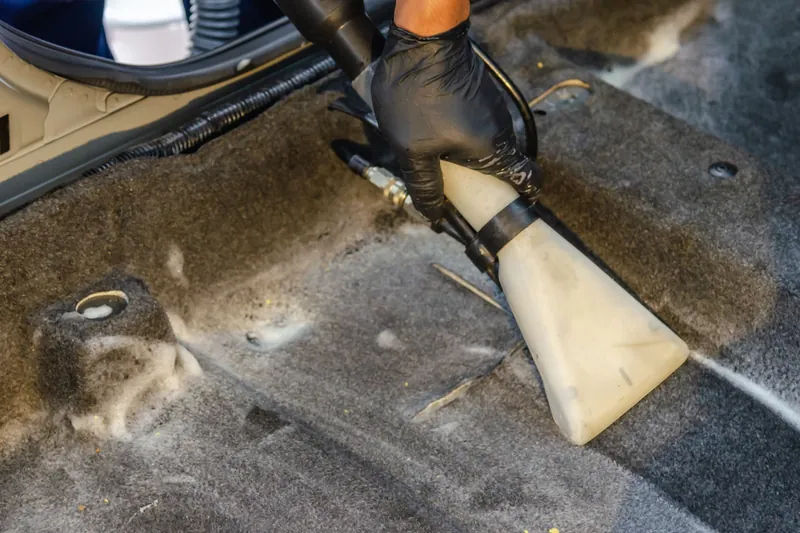
Biohazards are cleaned from carpets and upholstery, or affected materials are removed safely when needed.
See biohazard carpet and upholstery cleaning
Medical waste removal and disposal through approved treatment facilities.
See medical waste removalAsk how the affected area will be identified, what materials may be removed, which disinfectant will be used and how label contact time is followed. Also ask how waste is packaged, what records you receive, whether odor treatment is needed and what later restoration work remains your responsibility.
If the cause of the loss qualifies for coverage, a renters or homeowners policy might also pay for blood cleanup. Policy exclusions and documentation duties apply along with the deductible. Speak with the insurance company about coverage for biohazard remediation, and preserve photos, cleanup records, the affected-item list and your claim number.
Never put uncontained, wet or sharp blood-contaminated materials into regular home garbage. Keep people away and let the cleanup team package the materials for disposal under applicable state and local rules. Rules can change based on the volume involved, the kind of item, the property setting and the source of the waste.
You need disposable hand protection, material that absorbs the spill and an EPA-registered disinfectant approved on its label for the organism and surface. Observe all instructions on the product label, especially contact time. Never combine cleaning chemicals. For a large spill, sharp objects or blood on porous material, stay out of the area and arrange professional cleanup.
The potential presence of bloodborne pathogens means blood requires infectious-material precautions. Visual inspection cannot show you whether a pathogen is present in blood. Whether blood is wet or dry, protective equipment and proper waste disposal still matter, along with cleaning, disinfection and careful packaging.
The organism involved and its surroundings affect survival time. The CDC says hepatitis B can survive on surfaces for at least seven days. You should still use caution around dry blood. Do not make contact, restrict access and follow the careful cleaning process appropriate for blood that is still wet.
You can request respectful, discreet blood cleanup 24 hours a day, and crews use unmarked vehicles.